


BILLBOARD ARTIST


빌보드 아티스트, 에이티즈 에디션에 대해
2025.08.21 | by Billboard Korea“은신처: 비움과 채움“

에이티즈의 음악을 듣고, 퍼포먼스를 보고, 그들의 치열한 연습 시간과 서로를 믿고 함께 나아가는 팀워크, 그리고 팀 결성까지의 과정을 들여다보다 보면, 문득 떠오른 작품이 있습니다. 바로 2010년에 공개된 다큐멘터리 <Stones in Exile>입니다. 록의 전설 ‘롤링 스톤스’가 1972년에 발표한 명반 <Exile on Main St.>의 제작 과정을 다룬 작품이죠. 밴드는 당시 여러 혼란한 상황으로 인해 영국을 떠나 프랑스 남부의 빌라 넬코트(Villa Nellcôte)로 이주했고, 지하실에 임시로 마련된 스튜디오에서 멤버들이 함께 생활하며 앨범을 완성해갑니다. 다큐멘터리는 그들의 창작과 혼란, 영감의 순간이 어떻게 예술로 승화되었는지를 생생하게 담아냅니다. 무더운 날씨, 즉흥적인 연주, 자유롭지만 치열한 실험들 속에서 만들어진 이 앨범은 록 역사에서 가장 혁신적이고 중요한 기록 중 하나로 남아 있습니다.
에이티즈를 보며 이 다큐멘터리가 떠오른 까닭은 어쩌면 그들이 구현하는 창작 콘셉트에서 느껴진 ‘선구자’ 혹은 ‘개척자’ 이미지 때문일지도 모르겠습니다. 거칠고 건조한 사막, 무정부 상태에 가까운 상징적인 공간을 배경으로 펼쳐지는 세계 속에서, 그들은 자유와 독립, 자의식과 자율을 향한 긴 여정을 노래합니다. 그리고 여러 해에 걸쳐 구축한 자아의 서사와 더불어, 소년에서 완전한 예술가로 진화하는 과정은 마치 하나의 음악적 성장 다큐멘터리를 떠올리게 합니다. 그들이 무대 위에 쏟아내는 강렬한 표현력은 단순한 퍼포먼스를 넘어, 그들 각자의 사적인 경험, 치열한 고민, 그리고 팀 내에서 공유된 순간들이 켜켜이 쌓여 이룬 결정체임을 느끼게 합니다.

그래서일까요. 그들만의 소박한 은신처를 상상해보았습니다. 소음과 속도가 전부인 도시를 잠시 벗어나, 오래된 책을 펼치고, 다양한 음색의 LP를 턴테이블에 올려 듣고, 낡은 이큅먼트에서 흐르는 소리에 귀를 기울이는 고요한 공간. 가끔은 클래식한 모터사이클을 타고 동네를 돌며 바람결을 느끼고, 저녁 무렵 어스름이 내려앉으면 뽀얀 연기 사이로 깊은 대화를 나누기도 합니다. 조용한 강가에서 홀로 낚시하거나, 서로를 밀어주는 운동으로 하루를 채우기도 하고요. 쉬이 잠이 오지 않는 어느 밤에는 함께 영화를 보고, 따끈한 우유 한 잔으로 하루를 마무리합니다. 그렇게 그들은 자신만의 방식으로 채우고 비우며, 끈끈한 유대 속에서 또 다른 항해를 준비합니다. 그것이 바로 에이티즈의 방식입니다. — 뜨겁게 달리고, 차분히 숨을 고르며, 다시 한번 세상을 향해 닻을 힘차게 올리는것.
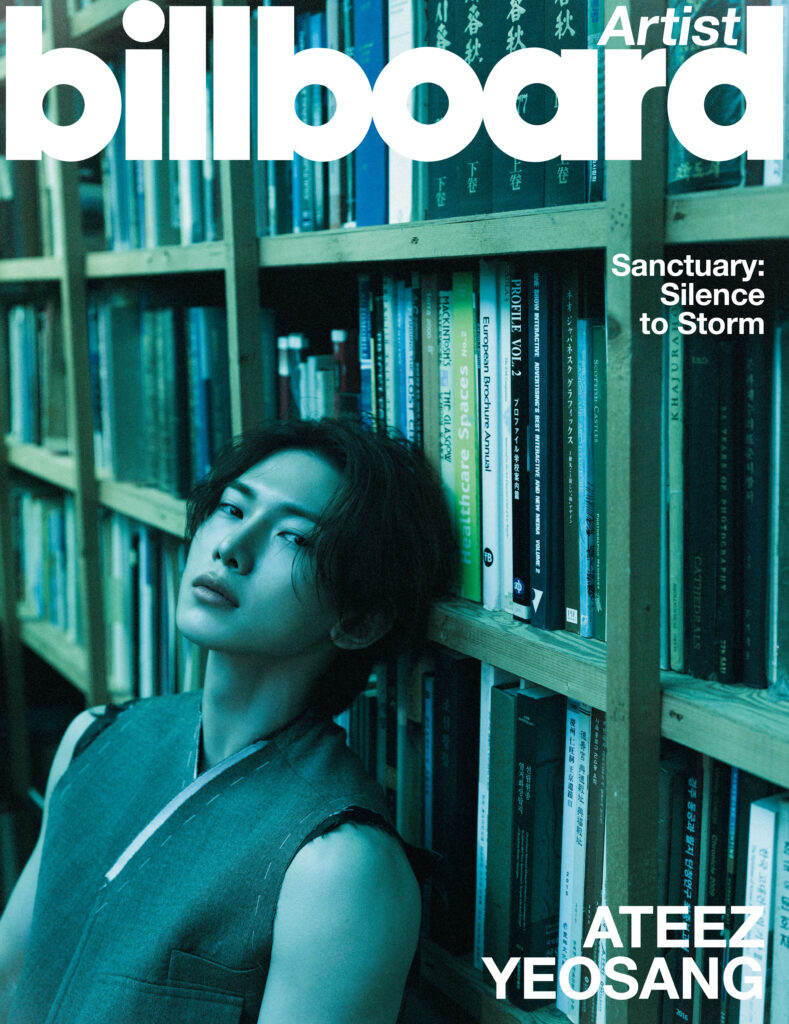
이러한 이야기는 푸른색과 붉은색을 비롯한 키 컬러와 조명을 통해 시각적으로 연결되며, 대범하고 풍성한 비주얼로 구현되었습니다. 새벽부터 대낮, 어스름한 저녁에 이르는 다양한 시간 대를 배경으로, 좁은 창고와 드넓은 숲속, 고즈넉한 연못과 야외 캠핑장을 경유하는 긴 여정을 담아낸 화보는 포토그래퍼 조셉 카르도(Joseph Cardo)의 자연광과 인공광을 넘나드는 감각적인 연출로 완성되었습니다. 각 멤버의 포트레이트 또한 고해상도의 파인아트 인쇄를 통해 전통 사진 기법의 종이 질감을 부여하고 수공예적 방법으로 커팅했으며, 섬세한 디지털 작업과 필터를 통한 빛의 조절을 거쳐 다층적인 이미지로 완성되었습니다.
창작을 위한 비우기와 채우기에 대한 사유는 칼럼니스트 하박국(HAVAQQUQ)의 에세이로 더욱 풍성해졌습니다. 그는 아티스트가 자신의 본성과 음악적 기량을 재발견하고 개발하기 위해 찾는 창의성의 성지, 전설적인 프로듀서 릭 루빈(Rick Rubin)의 스튜디오 샹그릴라(Shangri-La)에 대한 이야기를 들려줍니다.

그리고 그 마무리는, 예술의 물성과 감각을 깊이 있게 탐구해온 런던 베이스 아티스트 지미 터렐(Jimmy Turrell)의 작업으로 이어졌습니다. 대담한 색채와 그래픽적 구성, 실크스크린과 프린트 메이킹, 일러스트레이션을 넘나드는 그의 콜라주 미학은 보는 이의 시선을 사로잡는 동시에 묵직한 여운을 남깁니다. AC/DC, Rolling Stones, Oasis, Kasabian 등 아이코닉한 뮤지션들의 이미지 안에 다양한 감정과 서사를 결합해내는 데 탁월한 실력을 보여준 그가 이번 작업에서도 그 고유의 미감을 통해 서사의 마지막 조각을 채웠습니다.

When you listen to ATEEZ’s music, watch their electrifying performances, and observe the intensity of their rehearsals, you begin to sense something deeper. Their trust in one another, the challenges they’ve overcome, and the path that shaped them as a team evoke a particular work: the 2010 documentary Stones in Exile. The film documents the creation of Exile on Main St., the seminal 1972 album by the legendary Rolling Stones. At the time, facing both personal and professional turmoil, the band left England and relocated to the south of France. They took refuge in Villa Nellcôte, where they set up a makeshift studio in the basement and lived together during the recording process. Stones in Exile offers an intimate look at how moments of chaos, inspiration, and raw creativity can evolve into timeless art. The oppressive heat, spontaneous jam sessions, and unstructured yet intense experimentation all played a role in shaping one of the most innovative and influential albums in rock history.

Watching ATEEZ evokes memories of Stones in Exile, likely due to the "pioneer" or "trailblazer" spirit embedded in their creative vision. Their music unfolds in a raw, arid desert, a symbolic space teetering on anarchy, where they weave stories of freedom, independence, self-awareness, and autonomy, charting a relentless journey toward these ideals. Over the years, they’ve crafted an intricate self- narrative, and their evolution from boys to fully realized artists feels like a musical coming-of-age documentary in motion. The raw intensity they bring to the stage transcends mere performance, embodying a crystalline culmination of their private experiences, hard- fought introspection, and shared moments of struggle and triumph, compressed and expressed with visceral power.

Perhaps that’s why I find myself picturing their own quiet sanctuary. It’s a modest retreat, far from the relentless noise and pace of the city—a space where time slows just enough to allow for reflection. Here, they might leaf through well-loved books, place LPs with rich and varied tones onto a turntable, and listen intently to the warm hum of vintage equipment. Sometimes they ride through the neighborhood on classic motorcycles, feeling the wind graze their skin. As twilight drapes the sky, they might sit together, trading unhurried thoughts as a hush of mist drifts through the twilight air. Other days, they fish alone by a quiet river or share workouts that challenge the body while strengthening their bond. On sleepless nights, they gather for films, closing the day with quiet laughter and a warm glass of milk in hand. In this imagined space, they find their own rhythm of emptying and refilling, restoring themselves in the quiet strength of their connection. This is ATEEZ’s way: moving forward with burning intensity, finding calm in the pause, and lifting anchor once again with fearless resolve to meet the world head-on.

The narrative unfolds through a vibrant interplay of key colors—primarily shades of blue and red—and dramatic lighting, crafting a bold and dynamic visual story. Spanning dawn to dusk, the photo series captures diverse scenes, from intimate storage rooms and sprawling forests to tranquil ponds and open-air campsites. Shot by renowned photographer Joseph Cardo, the imagery seamlessly blends natural and artificial light, exuding effortless elegance. Each member’s portrait is printed in high-resolution fine art, with the texture of traditional photographic paper. Manually crafted and digitally enhanced with precise light adjustments, the images emerge as layered compositions that harmonize analog craftsmanship with digital finesse.

Columnist Havaqquq’s essay deepens our understanding of emptying and refilling—core elements of the creative process. He delves into Shangri-La, the legendary studio founded by iconic producer Rick Rubin, a sanctuary where artists rediscover their essence and expand their musical potential. For those seeking to reconnect with their creative instincts, Shangri-La serves as a modern-day temple of artistry. And, the final scene is brought to life by London-based artist Jimmy Turrell, whose work deeply explores the materiality and sensory dimensions of art. Known for his vibrant color palette, graphic compositions, and versatile artistry in silkscreen, printmaking, and illustration, Turrell’s collage aesthetic commands attention and evokes a profound emotional resonance. Having masterfully fused diverse emotional and narrative layers into the visual identities of iconic artists like AC/DC, The Rolling Stones, Oasis, and Kasabian, he brings his distinctive aesthetic to this project as well—seamlessly completing the final piece of its story.
